Check Recent Results
Start by reviewing the latest five-digit results and noticing how the current number flow looks.
Starting with 5D prediction is mainly about understanding how five-digit results move, how number patterns appear, and how users can follow daily lottery information in a clear and organized way. Indian users often prefer a mobile-first experience where results, number trends, game pages and common questions are easy to reach.
This page explains the basic starting flow for users who want to explore 5D prediction, review results, understand number groups and move through the main lottery-related sections without confusion.
Start GameThe first step is understanding that 5D prediction is built around five-digit results. Users usually observe the full number, then look deeper into smaller parts such as endings, digit positions, pairs and three-digit groups.
A beginner should not rush into one number only. It is better to look at how numbers have moved recently, which endings are appearing, and whether any digit group seems active across different result periods.
This creates a more balanced starting point and helps users build familiarity with the rhythm of 5D lottery prediction.
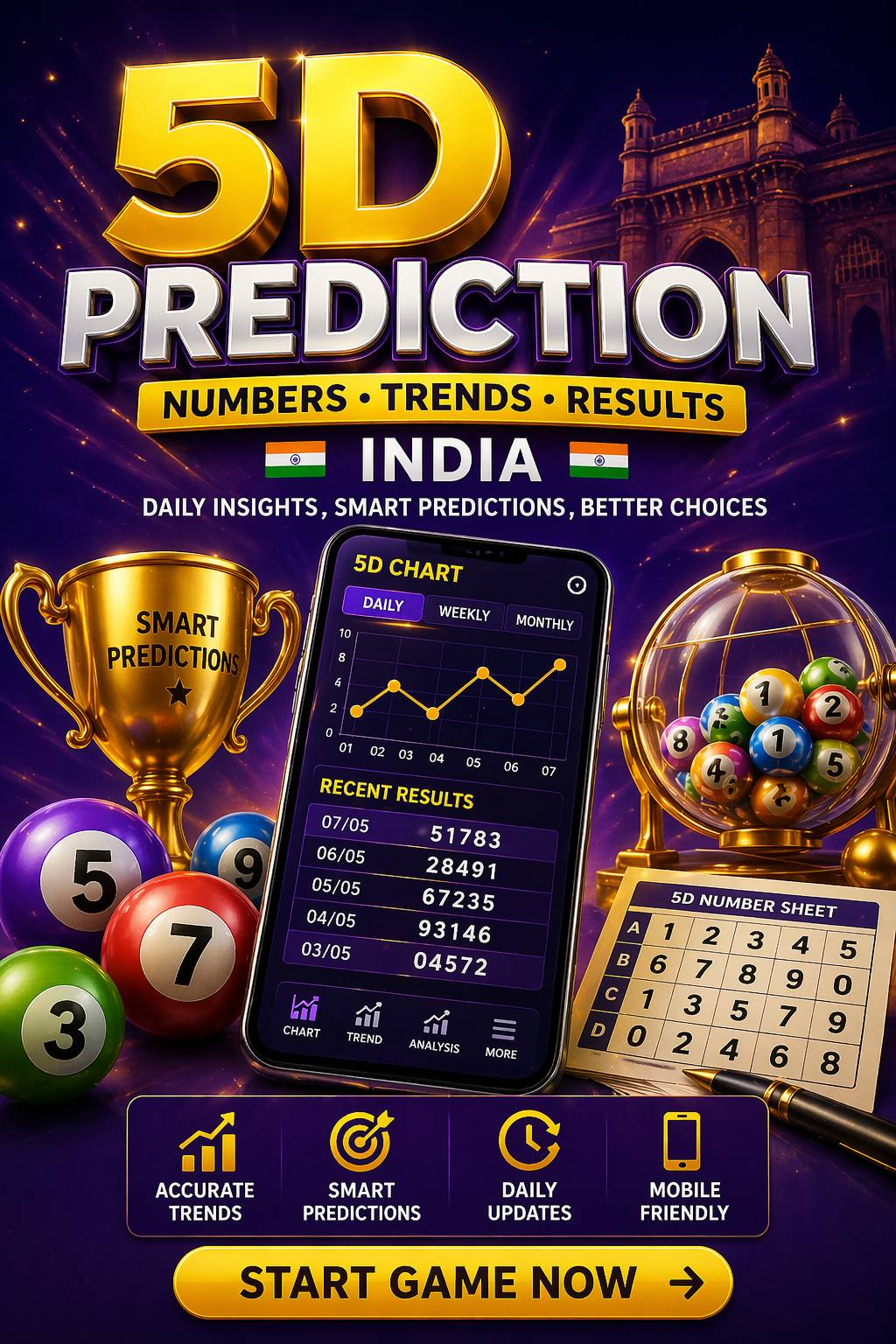
Start by reviewing the latest five-digit results and noticing how the current number flow looks.
Look at endings, pairs, triples and repeated blocks instead of focusing only on the full number.
Compare recent outcomes with older results to see whether patterns are returning, fading or changing.
Move between Games, App Download, Payments and FAQ pages to build a complete browsing flow.
| Starting Area | What to Review | Why It Helps |
|---|---|---|
| Latest Results | Newest five-digit outcomes | Gives users the current number direction |
| End Digits | Last one or two digits in recent results | Easy to compare and remember |
| Pairs | Two-digit combinations that repeat or return | Shows smaller movement inside full results |
| Charts | Visual number movement and gaps | Helps users understand trends faster |
| Older Results | Previous number sequences and repeat cycles | Creates a wider view of result behavior |
Users who start with a clear review habit usually understand 5D prediction better than users who only look at one isolated number. A structured starting process makes the lottery experience easier to follow.
Many Indian users follow 5D prediction as part of a daily routine. They may check recent results first, compare number movement, review game-related sections and then return later to see whether any trend has changed.
A strong routine does not need to be complicated. Users can begin with recent results, then look at repeated endings, pairs, number groups and chart-style movement. Over time, this helps create familiarity with how numbers behave across different result periods.
Mobile browsing makes this routine easier. Users can open the page quickly, review the main sections and move between related pages such as Games, App Download, Payments and FAQ.
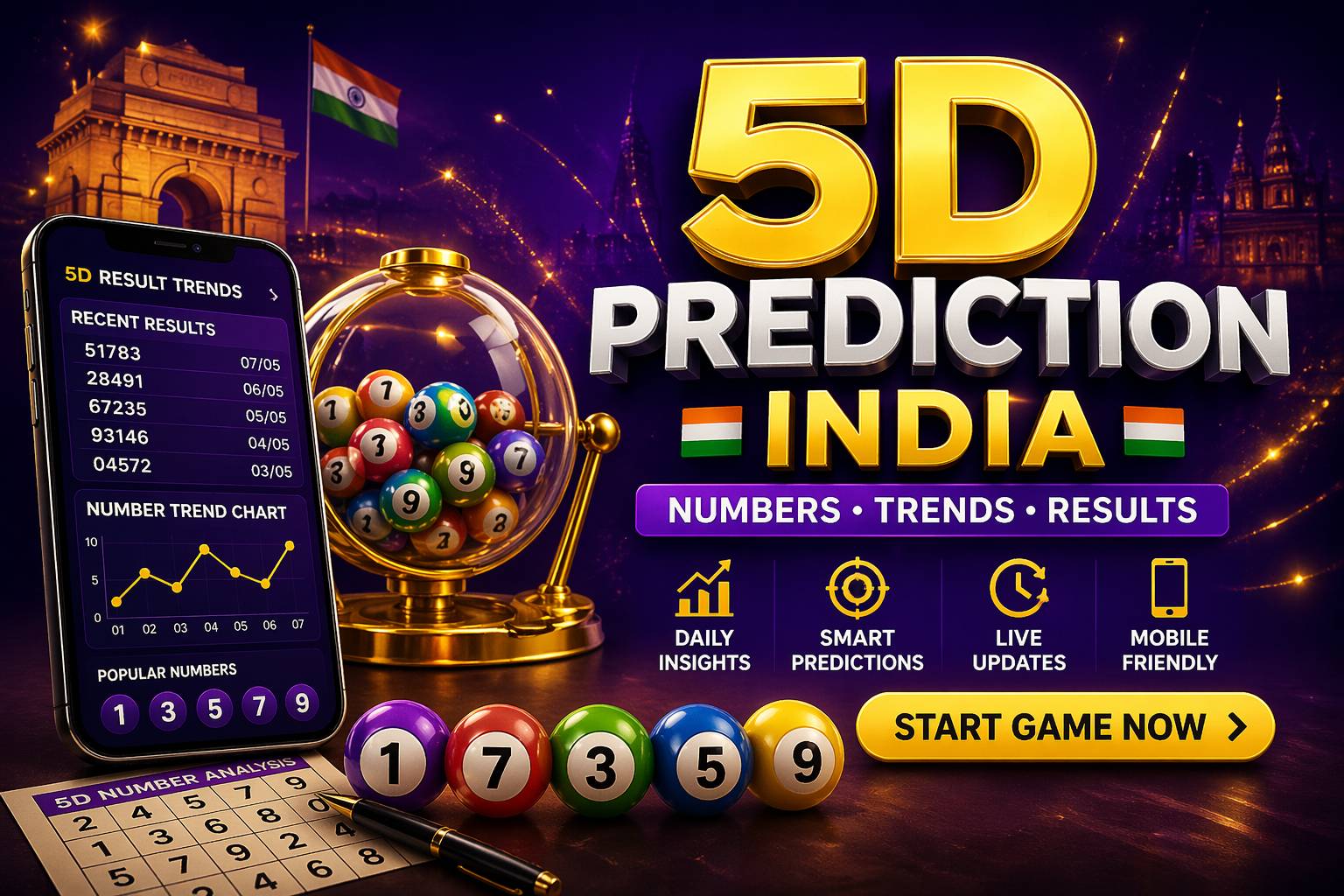
A better starting habit is to observe before reacting. Users can look at number history, repeated groups, quiet digits, returning endings and overall result rhythm before forming their own view.
This makes the 5D prediction experience more organized. Instead of depending only on one sudden idea, users can build their understanding step by step through result comparison.
The goal is not to make the page complicated. The goal is to give users a clear way to follow number movement and continue exploring daily lottery information with confidence.
A new user can begin by checking recent 5D results, then reviewing endings, pairs and number movement.
Yes. Older results help users understand whether a current number group is new, repeating or returning.
Number groups such as pairs and triples help users see patterns inside full five-digit results.
Yes. Mobile access is common in India because users can check numbers and related pages quickly.
Begin with recent results, observe number groups, compare trends and continue exploring daily lottery pages designed for Indian users.
Start Game